Our coaching programmes are built around specific goals and swimmer abilities. Whether learning fundamentals or refining competitive techniques, each session provides structured guidance with measurable progress. Training takes place in properly maintained facilities across London, with scheduling options to fit various routines.
Starting from scratch requires patience and proper technique foundation. These sessions focus on water confidence, basic floating, breathing coordination, and first stroke movements. We work at your pace in a supportive environment, building skills gradually. By the end of ten sessions, most adults can swim basic front crawl and feel comfortable in water.
Swimmers who already manage basic strokes benefit from detailed technique refinement. We analyse body position, arm entry, leg kick efficiency, and breathing patterns. Video analysis helps identify specific areas for improvement. Sessions include drills targeting your weaknesses and building endurance. Expect noticeable improvements in speed and stamina within eight weeks of consistent training.
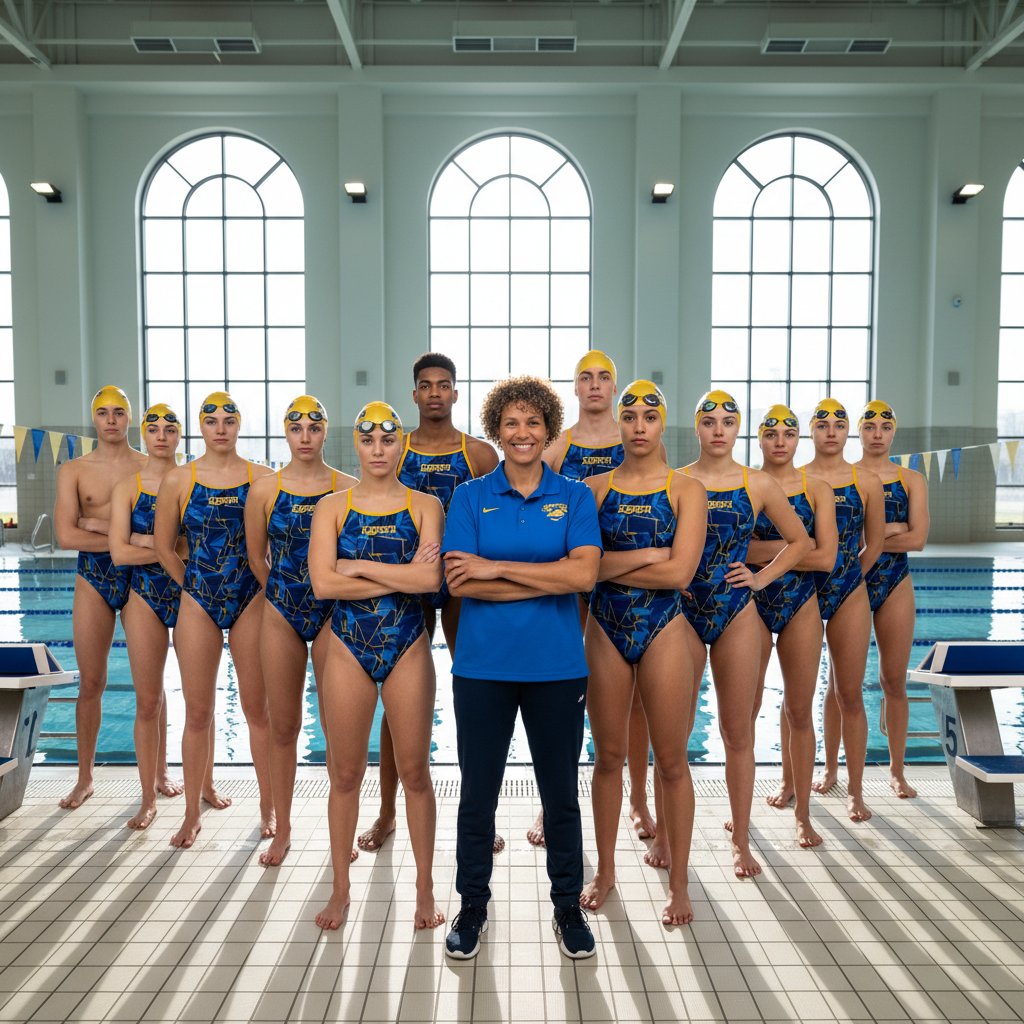
Competitive swimmers require precise coaching on race strategy, starts, turns, and finish touches. Training includes interval sets, pace work, and competition simulation. We develop race-specific conditioning and mental preparation techniques. Sessions are tailored to your competition schedule and target events. This level demands commitment but delivers measurable performance gains for club and regional competitions.
Swimming for fitness requires structured workouts that maintain cardiovascular benefits while preventing injury. Sessions include varied pace training, distance building, and technique checks to ensure efficiency. We create programmes matching your fitness goals, whether weight management or endurance building. Regular assessments track progress. Most clients notice improved stamina and body composition after twelve weeks of twice-weekly sessions.
Young swimmers develop skills best through engaging, focused instruction. Sessions cover water safety, stroke development, and confidence building through age-appropriate activities. We maintain attention through varied exercises while ensuring proper technique formation. Progress is documented and shared with parents regularly. Children typically advance through skill levels every ten to twelve sessions, depending on age and attendance consistency.
Week-long intensive programmes suit those needing rapid skill development or holiday preparation. Daily sessions provide concentrated practice with immediate feedback and correction. This format works well for beginners wanting water confidence before holidays or intermediates preparing for specific events. Five consecutive days of training typically equals three weeks of weekly sessions. Requires full commitment but delivers accelerated results.
Groups of four swimmers with similar abilities train together, sharing lane space and coaching attention. This format reduces costs while maintaining quality instruction. Swimmers benefit from observing others and friendly competition. Sessions include individual feedback alongside group drills. Works particularly well for intermediate swimmers wanting regular structured training. Groups form based on ability assessment and schedule availability.
Pre-work training sessions suit committed swimmers wanting consistent routine. Starting at 6:30am, squads complete structured workouts before the working day. Groups are organised by pace, with sets designed for various fitness levels. Regular attendance builds strong community among squad members. This option provides accountability and motivation through shared goals. Eight swimmers maximum per lane ensures adequate space and coaching attention.
After-work sessions cater to adults and older teenagers developing swimming skills. Groups are mixed ability with differentiated instruction. Sessions balance technique work with fitness training, providing comprehensive development. The relaxed atmosphere encourages questions and peer learning. Regular attendees typically form supportive training partnerships. Maximum ten swimmers per session ensures everyone receives individual attention during technique drills.
Swimmers aged eight to sixteen train in age-appropriate groups focusing on stroke development and competition preparation. Sessions include technique drills, endurance sets, and starts/turns practice. Young athletes learn training discipline and goal setting. Squad members often compete together at local meets, building team spirit. Parental involvement is encouraged through regular progress updates. Three sessions weekly recommended for optimal development.
Saturday morning sessions suit those unable to commit to weekday training. Groups mix social swimming with structured coaching, providing fitness benefits and technique improvement. The relaxed pace welcomes all abilities while maintaining purposeful training. Sessions often include longer distance swims and stroke variety work. This option builds community among weekend swimmers and provides accountability for maintaining fitness through less intensive but regular practice.
Adult competitive swimmers benefit from structured training with others pursuing similar goals. Sessions include pace work, technique refinement, and competition-specific training. Masters groups often train for open water events, triathlons, or pool competitions. Coaching adapts to the varying schedules and commitments of working adults. The supportive environment encourages consistent attendance. Many members compete at regional and national masters championships.
Triathletes require specific swimming skills including open water techniques, sighting, drafting, and efficient pacing. Training focuses on endurance swimming with minimal energy expenditure. We practice wetsuit swimming, mass start scenarios, and transition preparation. Sessions include breathing pattern work for choppy conditions. Video analysis identifies stroke inefficiencies affecting race performance. Most triathletes reduce swim split times significantly within twelve weeks.
Lake and sea swimming requires different skills than pool training. Sessions cover navigation, dealing with currents, cold water acclimatisation, and safety procedures. We practice in both pool and outdoor venues when weather permits. Training includes bilateral breathing, sighting techniques, and maintaining direction without lane ropes. Essential for anyone planning channel swims, long-distance events, or simply enjoying outdoor swimming safely.
Swimming provides low-impact exercise for injury recovery when properly supervised. Working with physiotherapy recommendations, we design programmes supporting rehabilitation goals. Sessions focus on specific movements aiding recovery while avoiding aggravation. Water resistance builds strength gently. This service requires medical clearance and coordination with healthcare providers. Progress is carefully monitored with adjustments made based on recovery status.
Detailed stroke analysis using underwater and surface cameras identifies specific technique issues. We record multiple angles during swimming, then review footage together, discussing improvements. Slow-motion playback reveals timing problems, body position errors, and efficiency losses. You receive annotated video files for reference. This session provides clear understanding of what needs changing. Particularly valuable for intermediate and advanced swimmers seeking performance gains.
Water anxiety affects many adults and some children, limiting enjoyment and safety. This gentle programme addresses specific fears through gradual exposure and confidence building. Sessions are entirely private and progress at your pace. We use proven psychological techniques alongside practical water skills. Most participants achieve comfortable shallow water confidence within six sessions. Deep water and swimming skills follow once foundational confidence establishes.
Each swimmer has their own path to improvement. Here are examples of training programmes I've developed for individuals at different skill levels, from beginners learning proper technique to competitive athletes refining their performance.
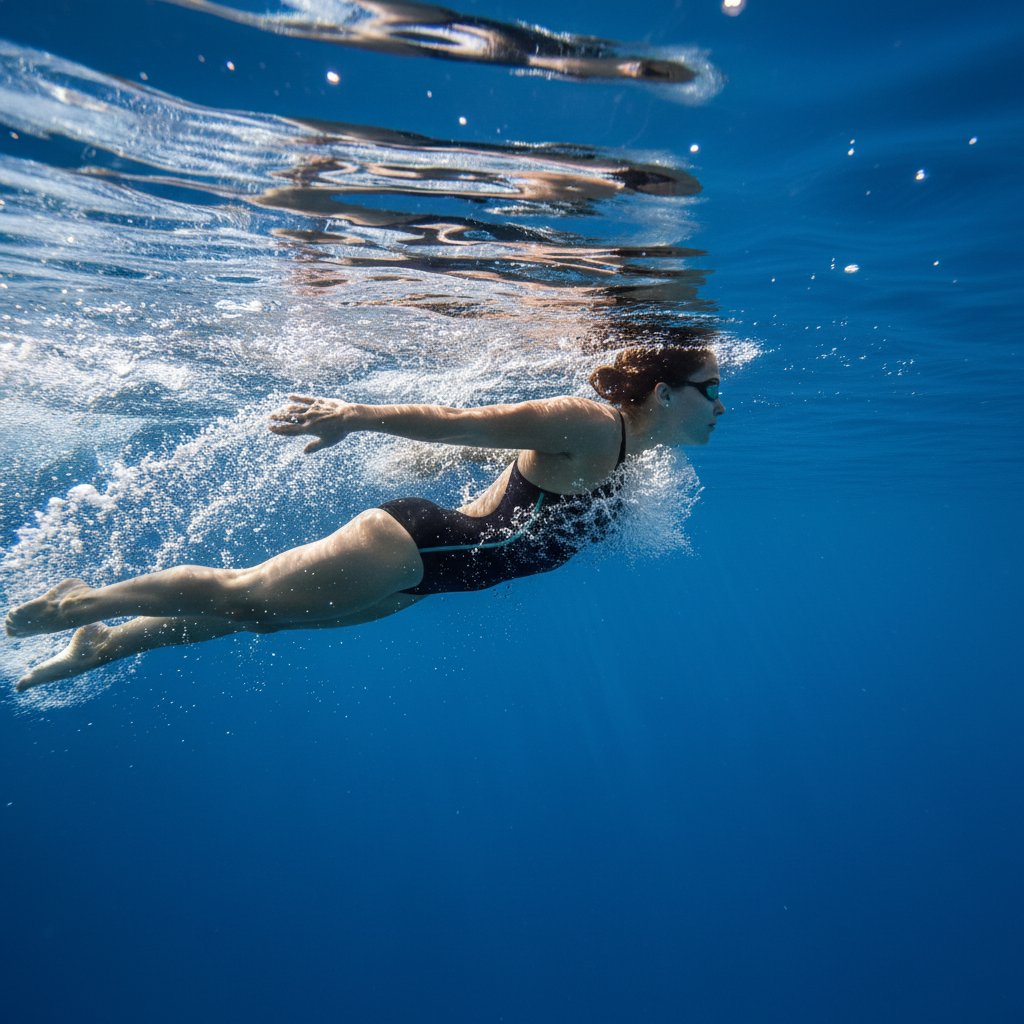
A structured 12-week course designed for adults with no prior experience. The programme focused on water confidence, basic floating techniques, and freestyle fundamentals. Progress was measured through weekly assessments, with adjustments made based on individual comfort levels.
View Details →
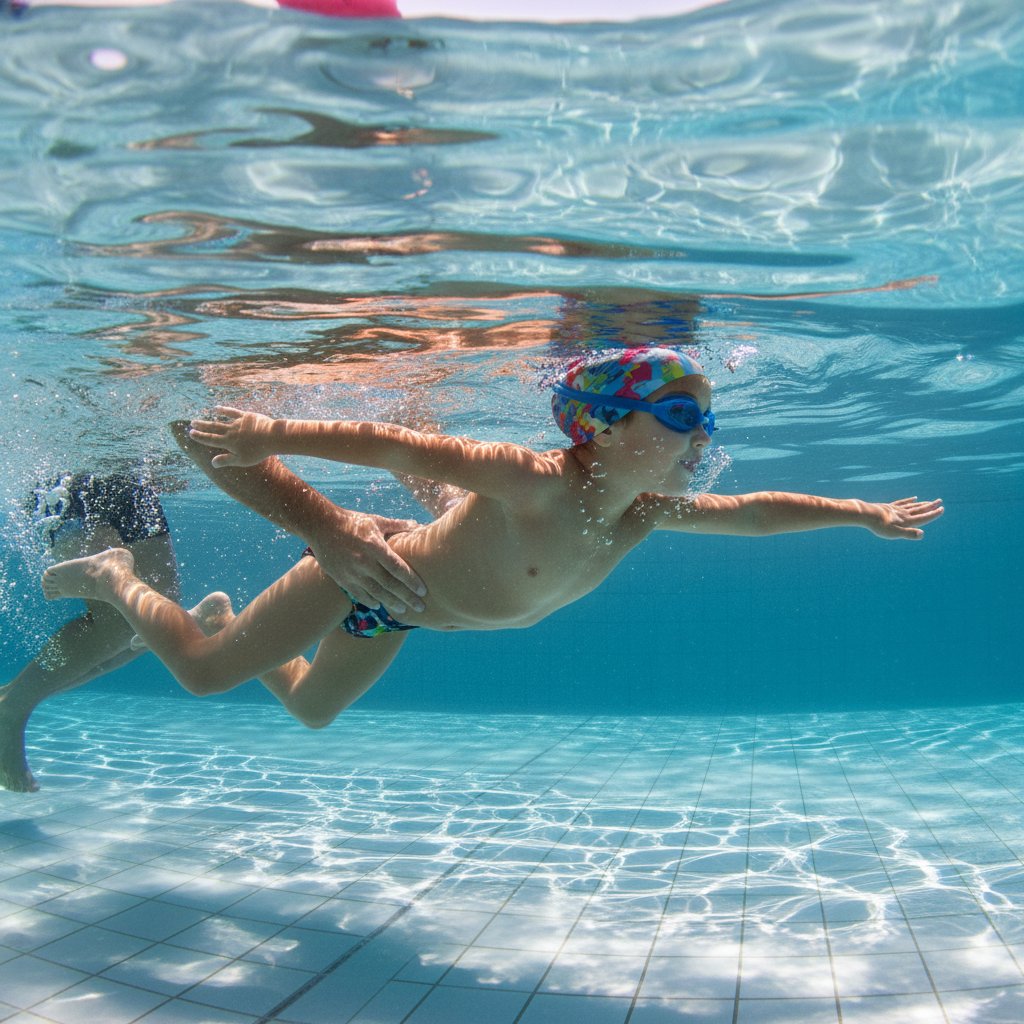
An intensive programme for swimmers aged 10-14 preparing for regional competitions. Training included stroke refinement, starts and turns practice, race strategy development, and endurance building. Sessions were held four times weekly with video analysis for technique improvement.
View Details →
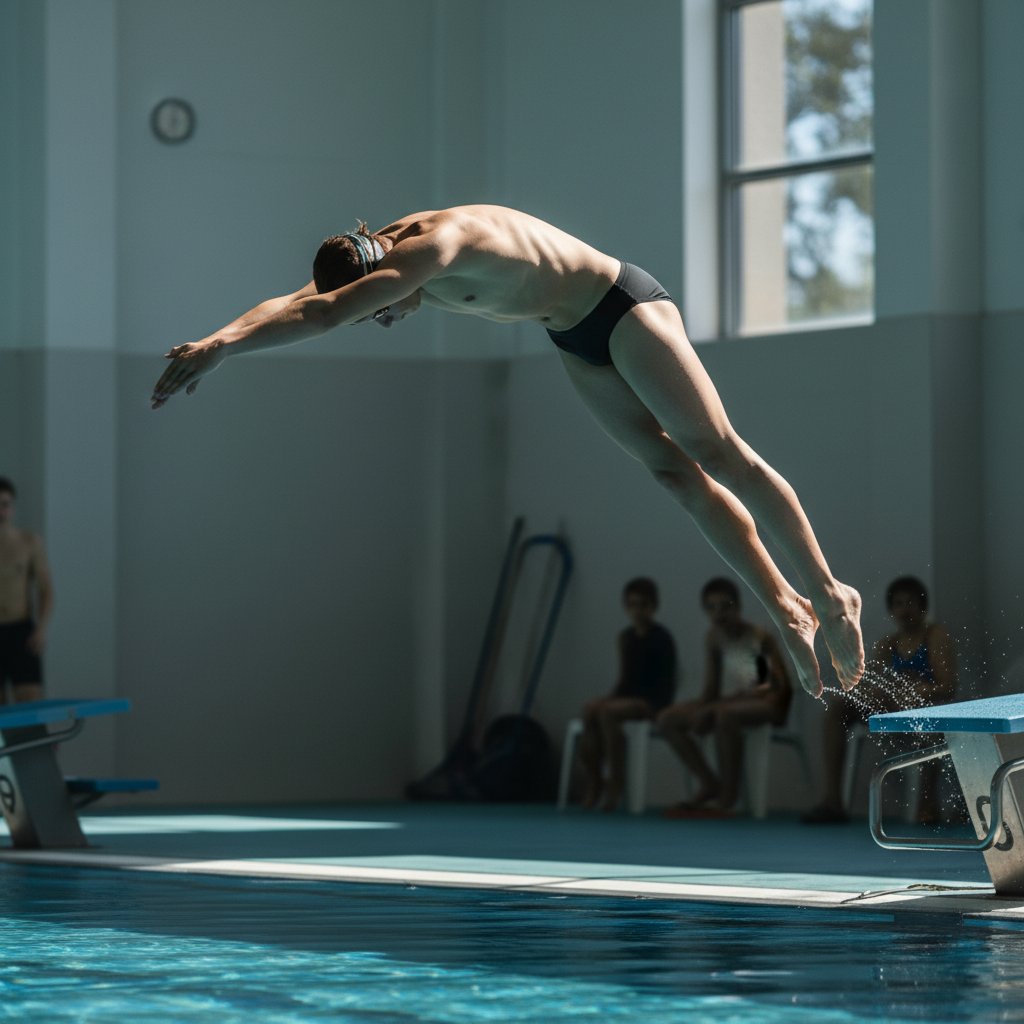
Specialised coaching for intermediate swimmers wanting to master butterfly technique. The eight-week programme broke down the stroke into manageable components: body undulation, arm recovery, breathing rhythm, and kick timing. Drills were progressively combined to develop fluid movement.
View Details →
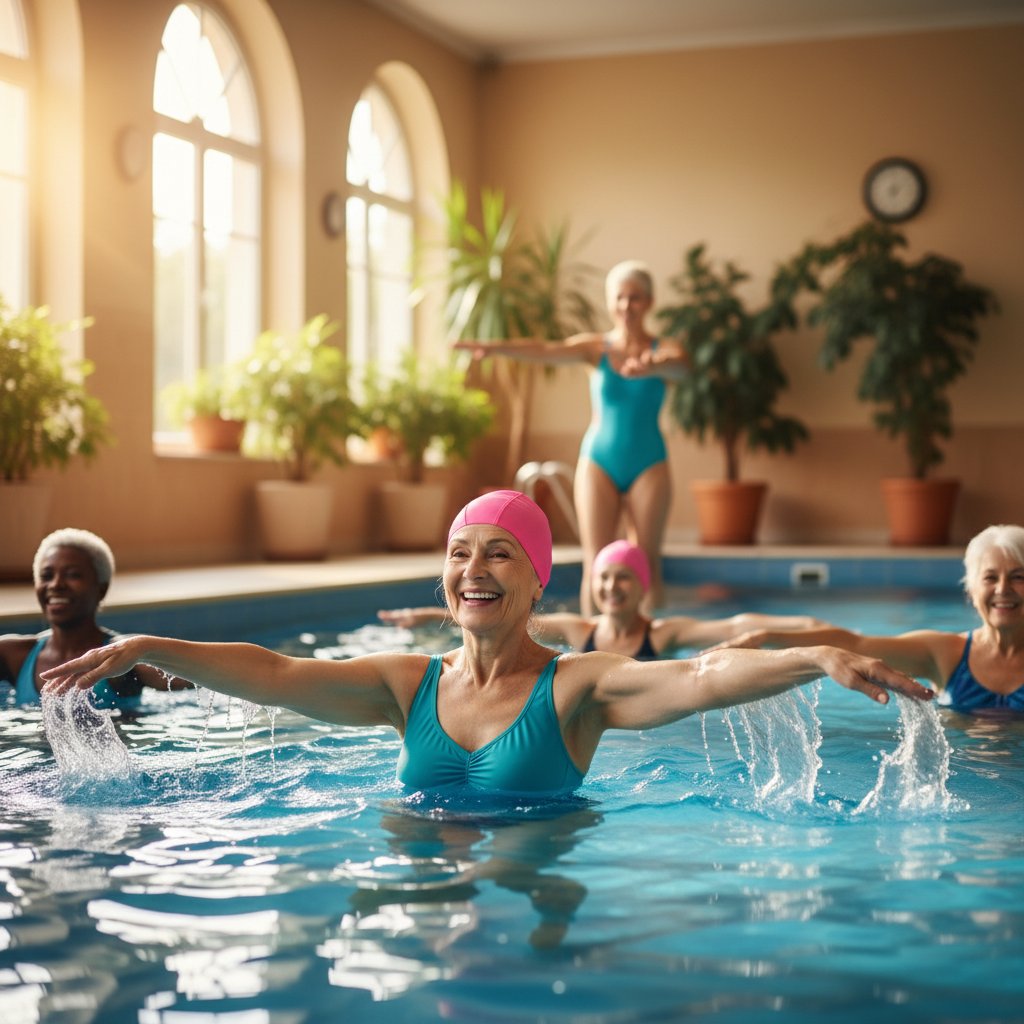
A flexible training plan for working adults seeking cardiovascular fitness through swimming. Sessions were scheduled during early mornings and evenings, focusing on continuous swimming, interval training, and efficient technique to maximise workout effectiveness within limited time.
View Details →
Technical coaching for swimmers struggling with breaststroke timing and propulsion. The programme addressed common issues including knee-width kick, arm pull coordination, and breathing mechanics. Underwater filming helped identify specific areas requiring adjustment in each swimmer's stroke cycle.
View Details →
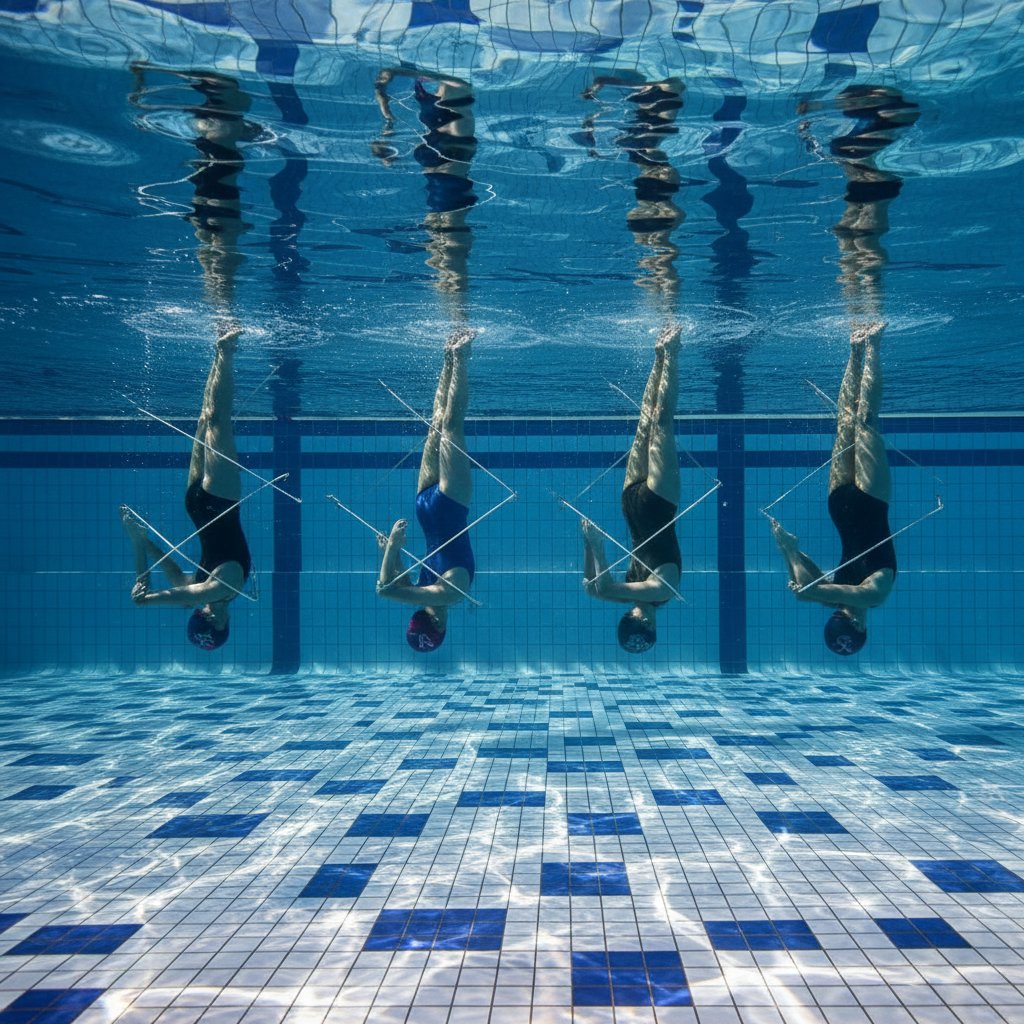
High-intensity training for competitive swimmers focusing on 50m and 100m events. The programme combined power development, explosive starts, streamlined turns, and race pacing strategies. Training included dryland exercises, resistance work in water, and simulated race conditions.
View Details →Real feedback from people who improved their technique and confidence in the water