Frequently Asked Questions

Find answers to common questions about swimming coaching, training sessions, and what to expect when working with a qualified instructor.

A qualified swimming coach should hold certifications from recognised bodies such as the Amateur Swimming Association (ASA) or Swim England. These certifications typically include Level 1 and Level 2 Teaching Aquatics, which cover fundamental teaching techniques and water safety.

Additionally, coaches should maintain current First Aid and CPR certifications. Many experienced coaches also hold advanced qualifications such as Level 3 coaching certificates, which focus on competitive swimming techniques and training programme development. It's important to verify that your coach has valid DBS clearance and appropriate insurance coverage.

The time required varies significantly based on age, fitness level, water confidence, and frequency of lessons. Children typically need 20-30 sessions to develop basic swimming competence, while adults often progress faster, achieving fundamental skills in 10-20 lessons.

Consistency matters more than intensity. Two 30-minute sessions per week typically yield better results than one weekly hour-long lesson. Some students gain confidence within weeks, while others need several months to feel comfortable. Each person progresses at their own pace, and there's no standard timeline that applies to everyone.

Essential items include a well-fitting swimsuit, goggles, a towel, and flip-flops or pool shoes. For women, a one-piece swimsuit is recommended for comfort during instruction. Men should wear swim briefs or fitted swim shorts rather than loose board shorts, which create drag.

Consider bringing a swim cap to keep hair out of your face and protect it from chlorine. A water bottle is useful for staying hydrated. If you have any medical conditions or take medications, inform your coach beforehand. Leave valuables at home or use provided lockers.

Absolutely. Many adults successfully learn to swim regardless of their starting point. Adult learners often have advantages including better body awareness, the ability to follow instructions precisely, and strong motivation. The key is finding a coach experienced in working with adult beginners who understands the psychological aspects of water anxiety.

Initial sessions focus on building comfort in shallow water, learning to float, and controlling breathing. Progress happens gradually through structured exercises that respect your comfort level. With patience and regular practice, most adults develop functional swimming skills within a few months of consistent training.

Private lessons offer personalised attention, with instruction tailored to your specific needs, pace, and goals. The coach can focus entirely on your technique, making corrections immediately and adjusting the programme based on your progress. This format suits those with specific goals, time constraints, or who prefer individual attention.

Group lessons cost less per person and provide social interaction, which some find motivating. Groups typically contain 4-8 students of similar ability. While individual attention is reduced, you can learn by observing others and benefit from the supportive environment. The choice depends on your learning style, budget, and objectives.

For beginners, two to three sessions per week provides optimal progress. This frequency allows you to build on previous lessons while skills remain fresh. More than three sessions weekly can lead to fatigue, while less than two may slow progress as you spend time relearning previous material.

Intermediate swimmers working on technique refinement benefit from one to two weekly sessions, supplemented by independent practice. Competitive swimmers often train five to six times weekly, combining coached sessions with solo training. Consider your goals, schedule, and budget when determining frequency. Consistency matters more than cramming multiple sessions into short periods.

Most programmes begin with front crawl (freestyle), as it's the most efficient stroke for general swimming. Once you're comfortable with front crawl, you'll typically learn backstroke, which helps develop body position awareness. Breaststroke follows, though some find it more challenging due to the coordination required.

Butterfly is usually taught last, as it demands significant strength and technique. Each stroke develops different muscle groups and skills. Learning multiple strokes improves overall water competence and provides variety in your swimming routine. The sequence may vary based on your natural abilities and preferences.

Swimming provides excellent cardiovascular exercise while being low-impact on joints. A 30-minute moderate swim can burn 200-300 calories, depending on intensity and stroke choice. The water's resistance works multiple muscle groups simultaneously, building strength while improving endurance.

Regular swimming increases metabolism and can contribute to weight management when combined with appropriate nutrition. The buoyancy of water makes it accessible for people of various fitness levels, including those with injuries or mobility limitations. Swimming three to four times weekly, combined with varied intensity levels, supports fitness goals effectively.

Water anxiety is common and entirely manageable with the right approach. Experienced coaches use gradual exposure techniques, starting in shallow water where you can stand comfortably. Initial sessions focus on building trust and confidence rather than swimming skills.

You'll learn breathing control, floating, and water safety at your own pace. Many coaches specialise in working with anxious swimmers and understand the psychological aspects involved. Progress may be slower initially, but with patience and consistent practice, most people overcome their fear. Private lessons often work better for those with significant anxiety, as they provide a supportive, pressure-free environment.

Look for coaches with relevant qualifications, current certifications, and experience working with students at your level. Check reviews and ask for references from previous students. A good coach communicates clearly, demonstrates patience, and adapts teaching methods to individual learning styles.

Consider practical factors such as location, schedule availability, and pricing. Many coaches offer trial sessions, which help you assess compatibility. The coach should make you feel comfortable, explain concepts clearly, and show genuine interest in your progress. Trust your instincts – the right coach will make learning enjoyable while maintaining appropriate professional boundaries.

Swimming can benefit many people with back pain, as the water's buoyancy reduces stress on the spine while allowing movement. Backstroke and front crawl, when performed with correct technique, strengthen core muscles that support the back. The horizontal position in water decompresses the spine naturally.

However, improper technique can aggravate existing conditions. Breaststroke, if done incorrectly, may strain the lower back. Always consult your doctor before starting any exercise programme if you have back issues. A qualified coach can modify exercises and teach techniques that support your back health while avoiding movements that cause discomfort.

Most pools maintain temperatures between 28-30°C for lessons, which feels comfortable for extended periods in the water. Younger children and beginners often prefer slightly warmer water (29-31°C), as they move less and generate less body heat. Competitive training typically occurs in cooler water (26-28°C).

Temperature affects your comfort and performance. Water that's too cold causes shivering and makes learning difficult, while overly warm water can cause fatigue. If you feel uncomfortably cold during lessons, mention it to your coach. Wearing a wetsuit or rash vest can help maintain body temperature in cooler pools.

Regular practice between coached sessions accelerates progress significantly. Aim to swim at least once between lessons, focusing on techniques covered in your most recent session. Start with a gentle warm-up, then practice specific drills your coach has taught you. Don't worry about speed – concentrate on correct form.

If pool access is limited, dry-land exercises help maintain fitness and muscle memory. Arm circles, core strengthening exercises, and flexibility work all support swimming development. Keep a training diary noting what you practiced and any questions for your next lesson. Consistent independent practice, even brief 20-minute sessions, maintains momentum and reinforces learning.

Children can begin water familiarisation classes from around 6 months old, though these focus on comfort and safety rather than swimming technique. Formal swimming instruction typically starts between ages 3 and 4, when children have sufficient physical coordination and can follow basic instructions.

Every child develops differently. Some 3-year-olds are ready for structured lessons, while others benefit from waiting until age 5. Early exposure to water builds confidence, but pushing reluctant children can create anxiety. Look for programmes appropriate to your child's developmental stage. Parent-and-child classes work well for younger children, transitioning to independent lessons as they mature and gain confidence.

About Navavo

Founded in London with a commitment to developing swimmers of all abilities through structured, evidence-based instruction
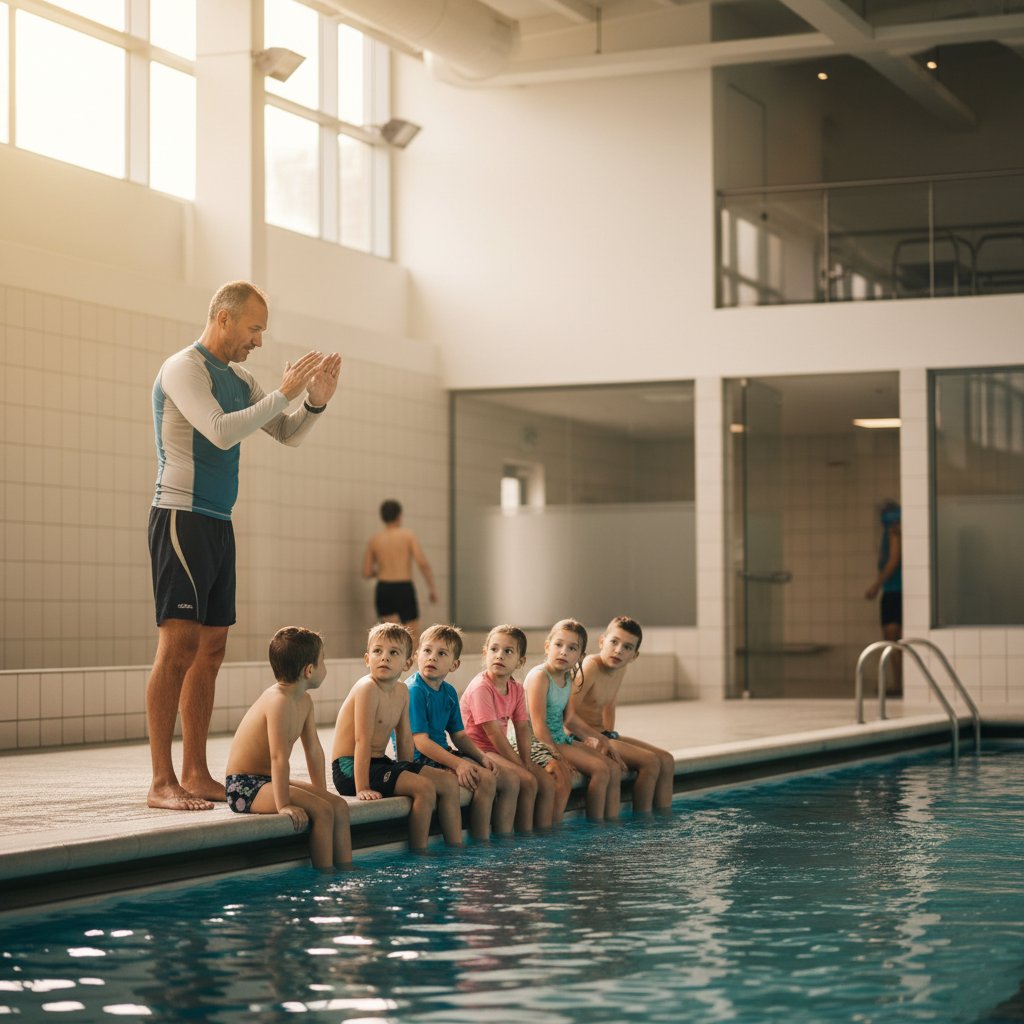
Swimming coach training session

Our Story

Navavo began in 2015 when our founder, a former competitive swimmer with 12 years of racing experience, recognized a gap in accessible, personalized swim instruction across London. Starting with just five students at a community pool in Islington, we focused on building proper technique from the ground up rather than rushing through arbitrary milestones.

Over the past eight years, we have expanded to work with over 300 swimmers annually, from children taking their first strokes to adults training for open water events. Our approach remains unchanged: assess each swimmer's current abilities, identify specific areas for improvement, and create a training plan that addresses their individual needs.
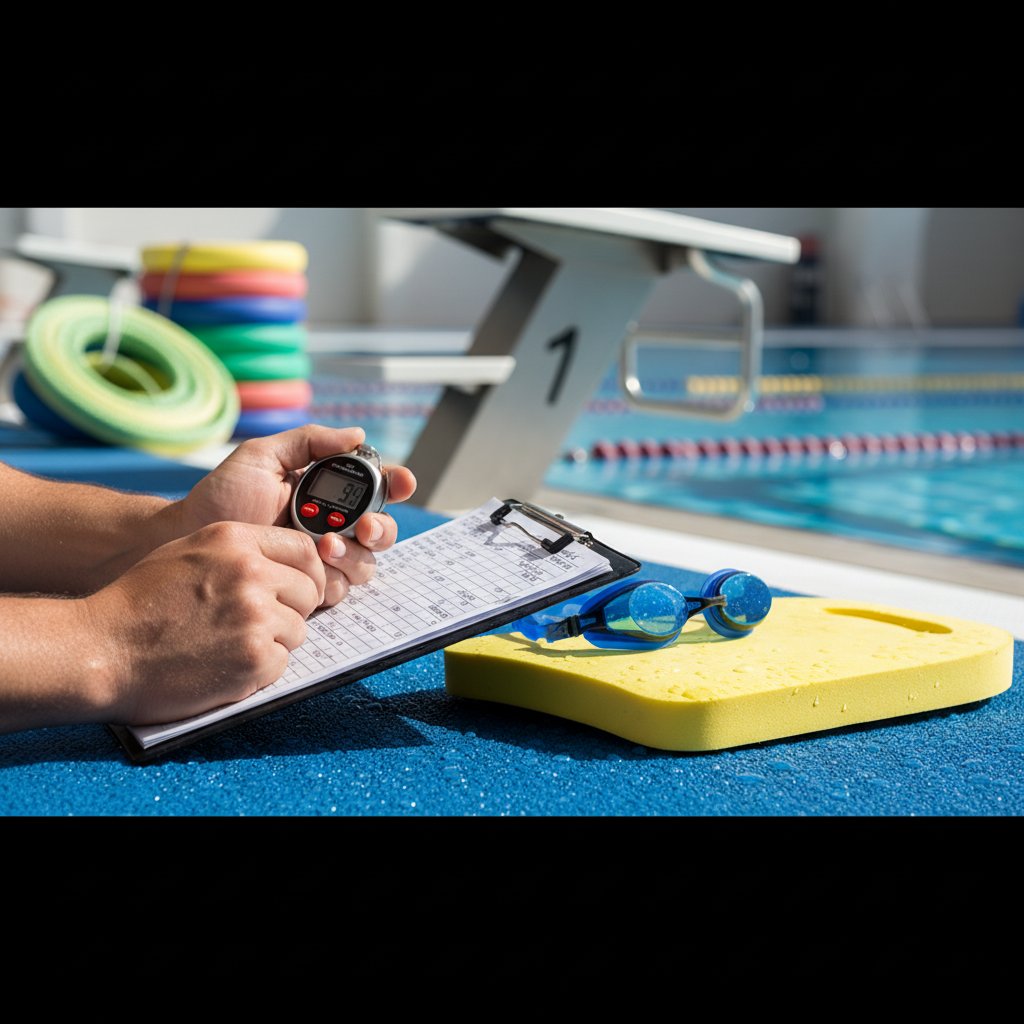
Professional swimming instruction

Our Mission

We provide swimming instruction that emphasizes safety, proper biomechanics, and measurable progress. Every session is designed to build competence in the water through repetition, feedback, and gradual skill development. Whether you are learning to float for the first time or refining your stroke efficiency for distance swimming, our programs are structured around your current level and specific objectives.

Our vision extends beyond teaching strokes. We aim to create confident, capable swimmers who understand water safety principles and can apply their skills in various aquatic environments. This includes pool swimming, open water navigation, and emergency response techniques that every swimmer should know.

Safety First

All instruction follows ASA guidelines with certified lifeguards present. We maintain a 1:4 coach-to-student ratio for beginners and conduct regular safety assessments of pool facilities.

Technical Precision

Each stroke is broken down into component parts: body position, breathing pattern, arm recovery, and kick timing. We use video analysis to identify inefficiencies and track improvements over time.

Measurable Progress

Students receive quarterly assessments documenting distance capabilities, stroke efficiency metrics, and technique scores across all four competitive strokes plus survival skills.

8+ Years Operating
300+ Annual Students
4 Certified Coaches
1:4 Coach Ratio