Professional Swimming Coaching

Master Swimming with Expert Guidance

Personalized Training for All Skill Levels in London

Learning to swim or improving technique requires proper instruction from someone who understands biomechanics and water safety. At Navavo, we provide structured swimming lessons designed for children and adults across London. Whether you're starting from scratch or refining competitive strokes, our coaching focuses on building confidence and capability in the water.

Each swimmer has different goals and physical abilities. Some need to overcome anxiety around water, while others want to increase speed or endurance. Our approach involves assessment of current abilities, setting realistic milestones, and progressing through proven methods. Sessions take place in heated pools with appropriate depth for the skill level being taught.

Swimming is both a survival skill and a form of exercise that benefits cardiovascular health without stressing joints. We teach four main strokes—freestyle, backstroke, breaststroke, and butterfly—along with proper breathing techniques and body positioning. For younger swimmers, lessons incorporate water safety education and build comfort through gradual exposure.

Our instructors hold current certifications from recognized swimming organizations and maintain regular professional development. Small class sizes ensure adequate attention to each participant's form and progress. We work with beginners who have never been in a pool, intermediate swimmers refining technique, and advanced athletes preparing for competitions or triathlons. Flexible scheduling accommodates various commitments, with sessions available throughout the week at multiple locations across North London.

  • Qualified instructors with ASA Level 2 certification and 8+ years teaching experience
  • Individual lessons and small groups (maximum 4 swimmers) for focused attention
  • Heated indoor pools maintained at 29-31°C for comfortable year-round training
  • Structured curriculum covering technique, breathing, stamina, and water safety
  • Flexible scheduling with morning, afternoon, and evening slots available
  • Progress tracking with regular assessments and personalized feedback
  • Convenient locations in Islington, Camden, and Highbury areas
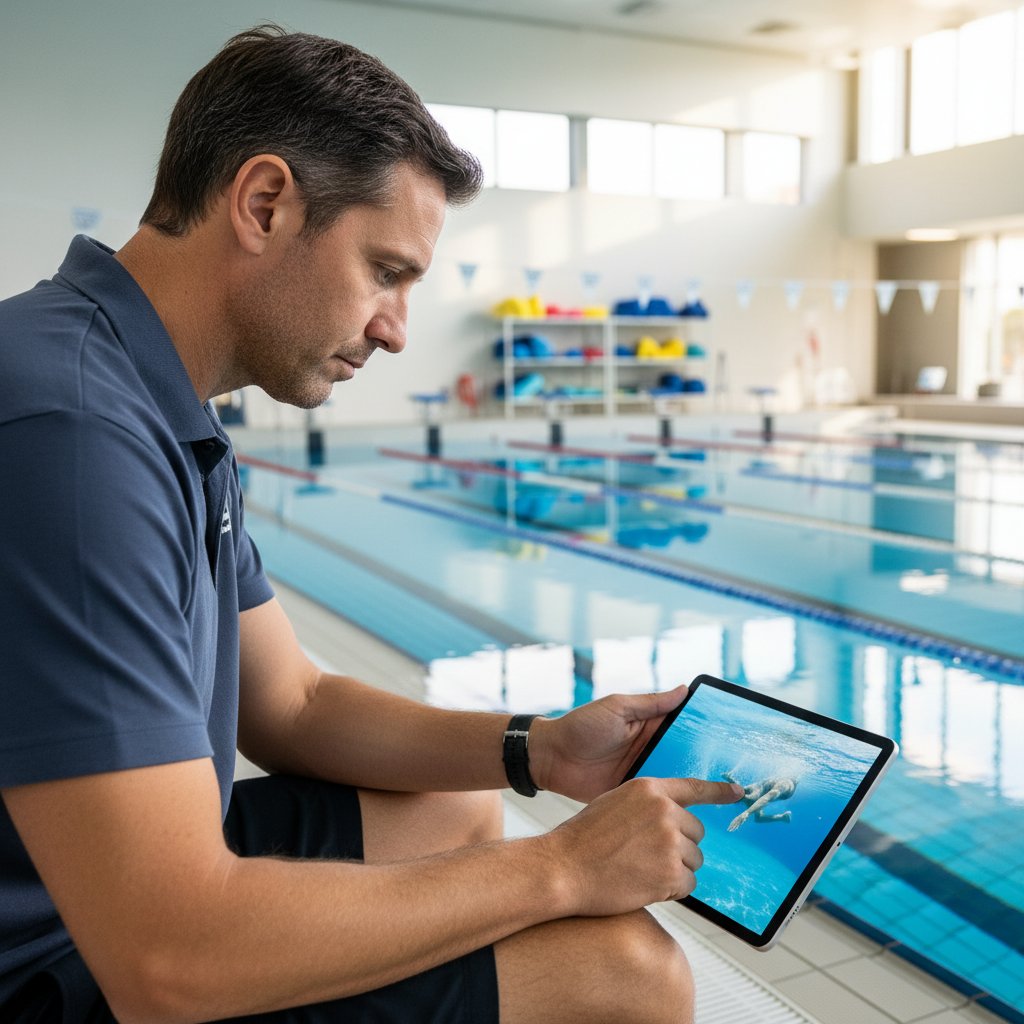
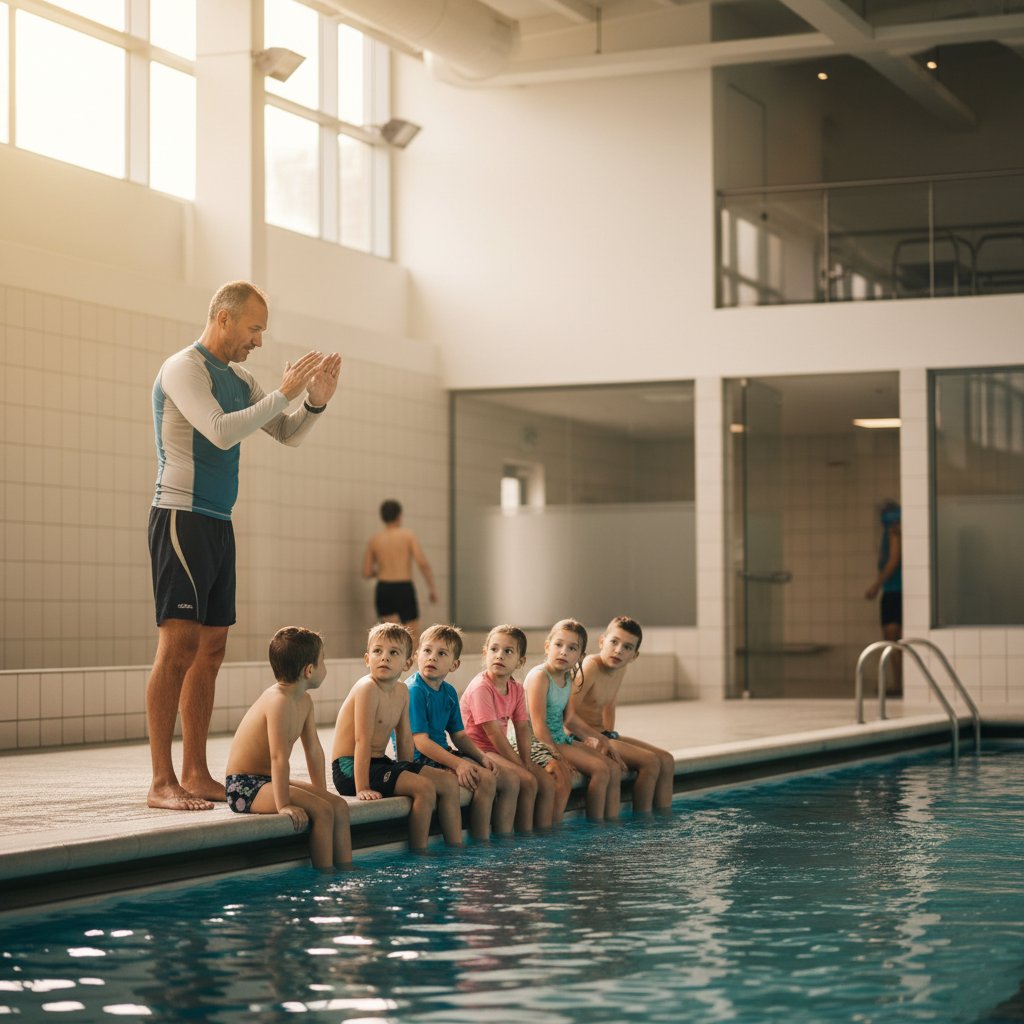
Professional swimming instructor teaching proper freestyle technique to student in heated indoor pool in London

About Navavo

Founded in London with a commitment to developing swimmers of all abilities through structured, evidence-based instruction

Swimming coach training session

Our Story

Navavo began in 2015 when our founder, a former competitive swimmer with 12 years of racing experience, recognized a gap in accessible, personalized swim instruction across London. Starting with just five students at a community pool in Islington, we focused on building proper technique from the ground up rather than rushing through arbitrary milestones.

Over the past eight years, we have expanded to work with over 300 swimmers annually, from children taking their first strokes to adults training for open water events. Our approach remains unchanged: assess each swimmer's current abilities, identify specific areas for improvement, and create a training plan that addresses their individual needs.

Professional swimming instruction

Our Mission

We provide swimming instruction that emphasizes safety, proper biomechanics, and measurable progress. Every session is designed to build competence in the water through repetition, feedback, and gradual skill development. Whether you are learning to float for the first time or refining your stroke efficiency for distance swimming, our programs are structured around your current level and specific objectives.

Our vision extends beyond teaching strokes. We aim to create confident, capable swimmers who understand water safety principles and can apply their skills in various aquatic environments. This includes pool swimming, open water navigation, and emergency response techniques that every swimmer should know.

Safety First

All instruction follows ASA guidelines with certified lifeguards present. We maintain a 1:4 coach-to-student ratio for beginners and conduct regular safety assessments of pool facilities.

Technical Precision

Each stroke is broken down into component parts: body position, breathing pattern, arm recovery, and kick timing. We use video analysis to identify inefficiencies and track improvements over time.

Measurable Progress

Students receive quarterly assessments documenting distance capabilities, stroke efficiency metrics, and technique scores across all four competitive strokes plus survival skills.

8+ Years Operating
300+ Annual Students
4 Certified Coaches
1:4 Coach Ratio

Get in Touch

Ready to start your swimming journey or have questions about our coaching services? Reach out to discuss your goals, schedule a session, or learn more about how we can help you improve your technique and confidence in the water.

Send Us a Message

Contact Information

Address

Navavo
250 Liverpool Road
London, N1 1PQ

Working Hours

  • Monday - Friday: 9:00 - 18:00
  • Saturday: 10:00 - 14:00
  • Sunday: Closed

What Our Swimmers Say

Real feedback from people who improved their technique and confidence in the water

SC
Sarah Collins
Birmingham
Good coaching overall. My front crawl improved noticeably after eight sessions. Would have preferred more flexibility with scheduling - sometimes had to wait two weeks between lessons.
February 2024
DP
David Patel
Leeds
I'm 52 and hadn't swum properly in decades. The approach was patient but focused. We worked on building stamina gradually while fixing bad habits from my youth. Now I swim three times a week and actually enjoy it.
January 2024
EW
Emma Watson
Bristol
The video analysis sessions were invaluable. Seeing myself swim from different angles revealed issues I couldn't feel - my legs were sinking and my arm entry was too wide. Within six weeks of targeted exercises, my stroke became much more efficient. The price was reasonable considering the individual attention and detailed feedback after each session.
March 2024
TH
Thomas Hughes
Liverpool
Decent instruction but felt rushed at times. My backstroke did improve, though I expected more drills variety. Communication was professional. Met my basic goal of swimming 500m continuously.
December 2023
LB
Lucy Bennett
Edinburgh
Signed up to prepare for a triathlon. The training plan was structured around my race date, progressively building endurance and speed. We focused heavily on open water techniques in the final month. Finished my first triathlon without any swimming issues - the preparation was spot on.
February 2024
RK
Robert King
Glasgow
My breaststroke technique improved significantly. The explanations were clear and easy to follow. Only minor complaint - would be nice to have written summaries of key points after each session to review at home.
January 2024
OA
Olivia Anderson
Sheffield
I had a genuine fear of deep water after a childhood incident. The coaching addressed both technique and psychological barriers. We started in shallow water with basic drills, gradually progressing to deeper sections as my confidence grew. After four months, I can now swim in the deep end without anxiety. The patient, understanding approach made all the difference. This wasn't just about learning strokes - it was about overcoming a real phobia.
March 2024
MJ
Michael Johnson
Newcastle
Solid coaching with clear results. My butterfly stroke went from non-existent to functional in ten sessions. Price felt a bit high compared to group classes, but individual attention was worth it. Would recommend for specific technique work rather than general fitness swimming.
February 2024
CT
Charlotte Taylor
Cardiff
Brilliant for correcting long-standing bad habits. I'd been swimming incorrectly for years - turns out my kick was actually slowing me down! The corrections felt awkward at first but the results speak for themselves. Knocked 15 seconds off my 100m time.
January 2024
DM
Daniel Morgan
Nottingham
As a competitive masters swimmer, I needed someone who understood performance training. The sessions focused on race-specific skills - starts, turns, pacing strategies. We analysed splits from my previous competitions and identified where I was losing time. The technical adjustments were subtle but effective. Qualified for nationals for the first time in three years.
March 2024
SL
Sophie Lewis
Southampton
Very helpful for getting back into swimming after pregnancy. The programme was adapted to my fitness level and gradually increased intensity. Lost the baby weight and regained my pre-pregnancy speed. Scheduling around childcare was occasionally tricky.
February 2024
AW
Andrew Wilson
Cambridge
Excellent value. Got more out of six individual sessions than I did from two years of swimming on my own. The feedback was specific and actionable. Now I know exactly what to work on during my regular swims.
December 2023
HT
Hannah Thompson
Oxford
I swim for stress relief after work, but poor technique was causing shoulder pain. The sessions identified the problem - I was overreaching on my stroke entry and creating unnecessary strain. After correcting my arm position and adding specific stretches, the pain disappeared. I can now swim five times a week pain-free. The focus on injury prevention alongside performance was exactly what I needed.
January 2024
GR
George Roberts
Brighton
Helpful coaching but progress was slower than expected. My freestyle improved but took about fourteen sessions to feel comfortable. The instruction was clear, just needed more practice time between lessons to consolidate the changes. Good for patient learners.
March 2024

Trust & Compliance

Licensed Business

Fully registered

Data Protection

GDPR compliant

SSL Secured

Safe connection

Quality Guaranteed

Proven results

Industry Standards

ASA certified

Professional Team

Qualified coaches

Insured Service

Full coverage

DBS Checked

Enhanced clearance

Frequently Asked Questions

Find answers to common questions about swimming coaching, training sessions, and what to expect when working with a qualified instructor.

A qualified swimming coach should hold certifications from recognised bodies such as the Amateur Swimming Association (ASA) or Swim England. These certifications typically include Level 1 and Level 2 Teaching Aquatics, which cover fundamental teaching techniques and water safety.

Additionally, coaches should maintain current First Aid and CPR certifications. Many experienced coaches also hold advanced qualifications such as Level 3 coaching certificates, which focus on competitive swimming techniques and training programme development. It's important to verify that your coach has valid DBS clearance and appropriate insurance coverage.

The time required varies significantly based on age, fitness level, water confidence, and frequency of lessons. Children typically need 20-30 sessions to develop basic swimming competence, while adults often progress faster, achieving fundamental skills in 10-20 lessons.

Consistency matters more than intensity. Two 30-minute sessions per week typically yield better results than one weekly hour-long lesson. Some students gain confidence within weeks, while others need several months to feel comfortable. Each person progresses at their own pace, and there's no standard timeline that applies to everyone.

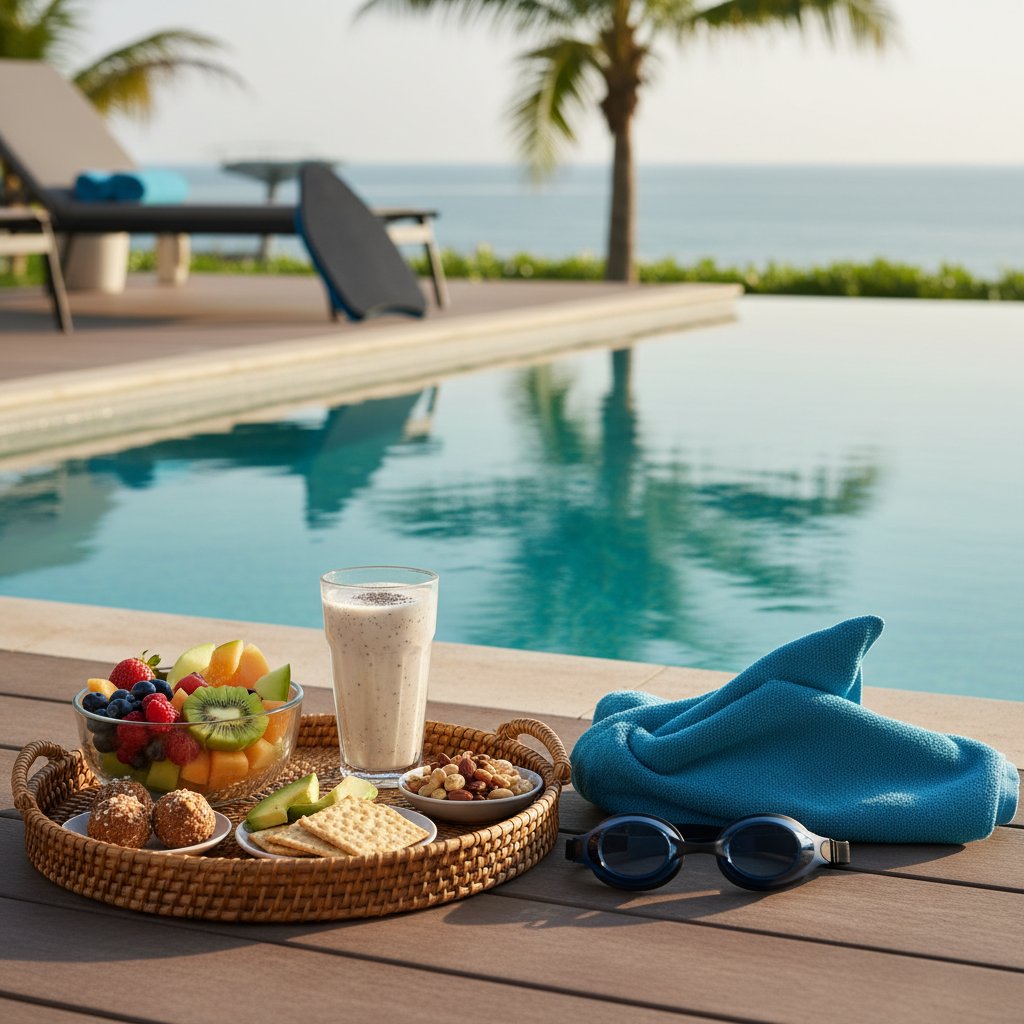
Essential items include a well-fitting swimsuit, goggles, a towel, and flip-flops or pool shoes. For women, a one-piece swimsuit is recommended for comfort during instruction. Men should wear swim briefs or fitted swim shorts rather than loose board shorts, which create drag.

Consider bringing a swim cap to keep hair out of your face and protect it from chlorine. A water bottle is useful for staying hydrated. If you have any medical conditions or take medications, inform your coach beforehand. Leave valuables at home or use provided lockers.

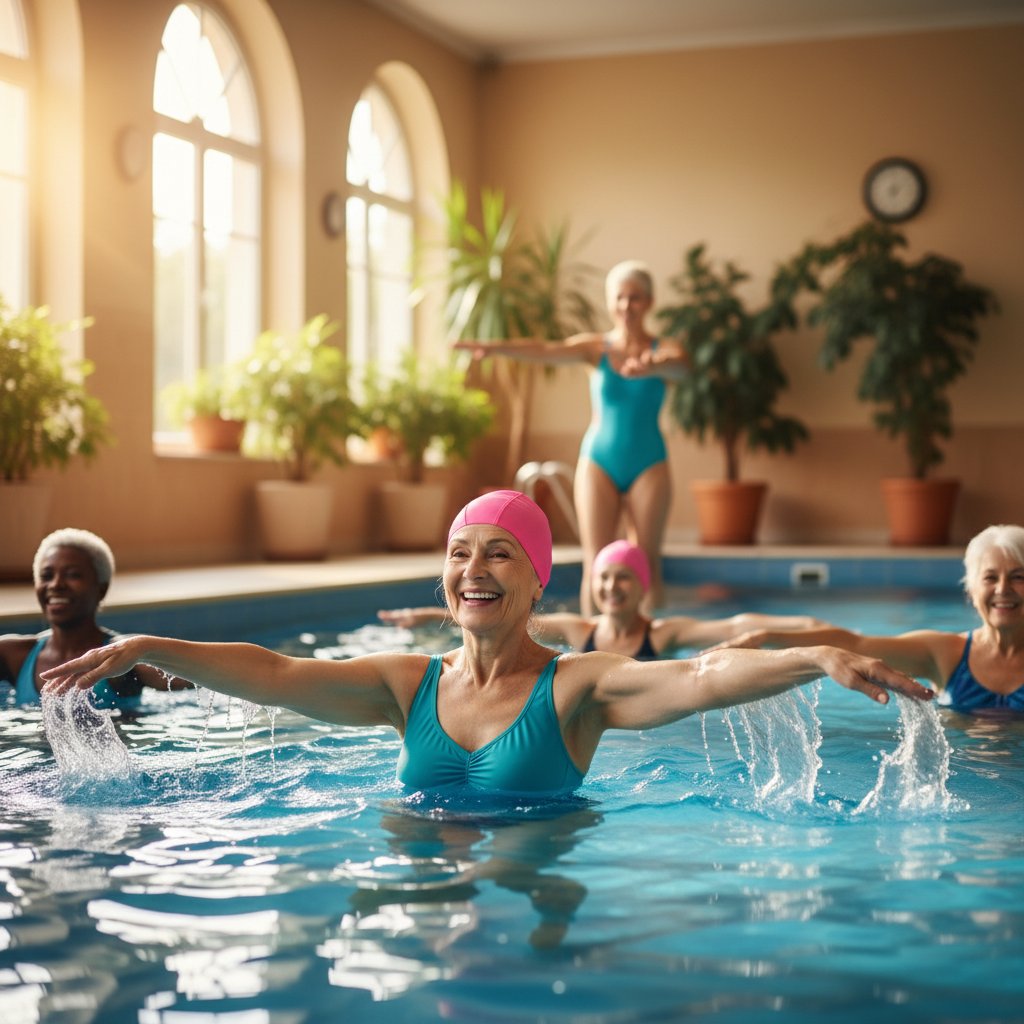
Absolutely. Many adults successfully learn to swim regardless of their starting point. Adult learners often have advantages including better body awareness, the ability to follow instructions precisely, and strong motivation. The key is finding a coach experienced in working with adult beginners who understands the psychological aspects of water anxiety.

Initial sessions focus on building comfort in shallow water, learning to float, and controlling breathing. Progress happens gradually through structured exercises that respect your comfort level. With patience and regular practice, most adults develop functional swimming skills within a few months of consistent training.

Private lessons offer personalised attention, with instruction tailored to your specific needs, pace, and goals. The coach can focus entirely on your technique, making corrections immediately and adjusting the programme based on your progress. This format suits those with specific goals, time constraints, or who prefer individual attention.

Group lessons cost less per person and provide social interaction, which some find motivating. Groups typically contain 4-8 students of similar ability. While individual attention is reduced, you can learn by observing others and benefit from the supportive environment. The choice depends on your learning style, budget, and objectives.

For beginners, two to three sessions per week provides optimal progress. This frequency allows you to build on previous lessons while skills remain fresh. More than three sessions weekly can lead to fatigue, while less than two may slow progress as you spend time relearning previous material.

Intermediate swimmers working on technique refinement benefit from one to two weekly sessions, supplemented by independent practice. Competitive swimmers often train five to six times weekly, combining coached sessions with solo training. Consider your goals, schedule, and budget when determining frequency. Consistency matters more than cramming multiple sessions into short periods.

Most programmes begin with front crawl (freestyle), as it's the most efficient stroke for general swimming. Once you're comfortable with front crawl, you'll typically learn backstroke, which helps develop body position awareness. Breaststroke follows, though some find it more challenging due to the coordination required.

Butterfly is usually taught last, as it demands significant strength and technique. Each stroke develops different muscle groups and skills. Learning multiple strokes improves overall water competence and provides variety in your swimming routine. The sequence may vary based on your natural abilities and preferences.

Swimming provides excellent cardiovascular exercise while being low-impact on joints. A 30-minute moderate swim can burn 200-300 calories, depending on intensity and stroke choice. The water's resistance works multiple muscle groups simultaneously, building strength while improving endurance.

Regular swimming increases metabolism and can contribute to weight management when combined with appropriate nutrition. The buoyancy of water makes it accessible for people of various fitness levels, including those with injuries or mobility limitations. Swimming three to four times weekly, combined with varied intensity levels, supports fitness goals effectively.

Water anxiety is common and entirely manageable with the right approach. Experienced coaches use gradual exposure techniques, starting in shallow water where you can stand comfortably. Initial sessions focus on building trust and confidence rather than swimming skills.

You'll learn breathing control, floating, and water safety at your own pace. Many coaches specialise in working with anxious swimmers and understand the psychological aspects involved. Progress may be slower initially, but with patience and consistent practice, most people overcome their fear. Private lessons often work better for those with significant anxiety, as they provide a supportive, pressure-free environment.

Look for coaches with relevant qualifications, current certifications, and experience working with students at your level. Check reviews and ask for references from previous students. A good coach communicates clearly, demonstrates patience, and adapts teaching methods to individual learning styles.

Consider practical factors such as location, schedule availability, and pricing. Many coaches offer trial sessions, which help you assess compatibility. The coach should make you feel comfortable, explain concepts clearly, and show genuine interest in your progress. Trust your instincts – the right coach will make learning enjoyable while maintaining appropriate professional boundaries.

Swimming can benefit many people with back pain, as the water's buoyancy reduces stress on the spine while allowing movement. Backstroke and front crawl, when performed with correct technique, strengthen core muscles that support the back. The horizontal position in water decompresses the spine naturally.

However, improper technique can aggravate existing conditions. Breaststroke, if done incorrectly, may strain the lower back. Always consult your doctor before starting any exercise programme if you have back issues. A qualified coach can modify exercises and teach techniques that support your back health while avoiding movements that cause discomfort.

Most pools maintain temperatures between 28-30°C for lessons, which feels comfortable for extended periods in the water. Younger children and beginners often prefer slightly warmer water (29-31°C), as they move less and generate less body heat. Competitive training typically occurs in cooler water (26-28°C).

Temperature affects your comfort and performance. Water that's too cold causes shivering and makes learning difficult, while overly warm water can cause fatigue. If you feel uncomfortably cold during lessons, mention it to your coach. Wearing a wetsuit or rash vest can help maintain body temperature in cooler pools.

Regular practice between coached sessions accelerates progress significantly. Aim to swim at least once between lessons, focusing on techniques covered in your most recent session. Start with a gentle warm-up, then practice specific drills your coach has taught you. Don't worry about speed – concentrate on correct form.

If pool access is limited, dry-land exercises help maintain fitness and muscle memory. Arm circles, core strengthening exercises, and flexibility work all support swimming development. Keep a training diary noting what you practiced and any questions for your next lesson. Consistent independent practice, even brief 20-minute sessions, maintains momentum and reinforces learning.

Children can begin water familiarisation classes from around 6 months old, though these focus on comfort and safety rather than swimming technique. Formal swimming instruction typically starts between ages 3 and 4, when children have sufficient physical coordination and can follow basic instructions.

Every child develops differently. Some 3-year-olds are ready for structured lessons, while others benefit from waiting until age 5. Early exposure to water builds confidence, but pushing reluctant children can create anxiety. Look for programmes appropriate to your child's developmental stage. Parent-and-child classes work well for younger children, transitioning to independent lessons as they mature and gain confidence.

Our Track Record

Numbers that reflect our commitment to helping swimmers of all levels achieve their goals in the pool. Each statistic represents real progress and genuine results.

6
Years of Experience
coaching in London
340+
Swimmers Trained
since 2019
420+
Sessions Completed
annually
93%
Client Satisfaction
based on feedback
87%
Goal Achievement Rate
within 12 weeks
280+
Adults Taught to Swim
from beginners
45
Competition Swimmers
prepared for events
8,500+
Training Hours
delivered to date
120+
Technique Improvements
documented this year
5
Pool Locations
across London
Limited Time

Exclusive Swimming Package

Start your swimming journey with our comprehensive package designed for beginners and intermediate swimmers. This special offer includes personalised coaching sessions, technique analysis, and a customised training plan. Whether you're learning to swim or improving your stroke, this package provides everything you need to reach your goals in the pool. Take advantage of this opportunity to work with an experienced coach at an exceptional rate.

Offer Valid Until
20 May 2026
25% OFF
On Your First Month of Training

8 One-to-One Sessions: Individual 45-minute coaching sessions tailored to your current level and objectives

Video Analysis: Detailed recording and breakdown of your swimming technique to identify areas for improvement

Personalised Training Plan: Custom programme with exercises and drills to practice between sessions

Ongoing Support: Email and messaging support throughout the month for questions and guidance

Progress Assessment: Comprehensive evaluation at the end of the month with recommendations for continued development

Swimming Insights & Tips

Practical advice, technique breakdowns, and training strategies to help swimmers of all levels improve their performance in the water.

Breathing technique in freestyle swimming
12 January 2025 5 min read

Mastering Bilateral Breathing in Freestyle

Learning to breathe on both sides transforms your freestyle stroke. This technique creates balanced body rotation, reduces shoulder strain, and improves spatial awareness during open water swimming. Start with breathing every three strokes during warm-up sets, gradually building comfort before applying it to main training intervals.

Read full article
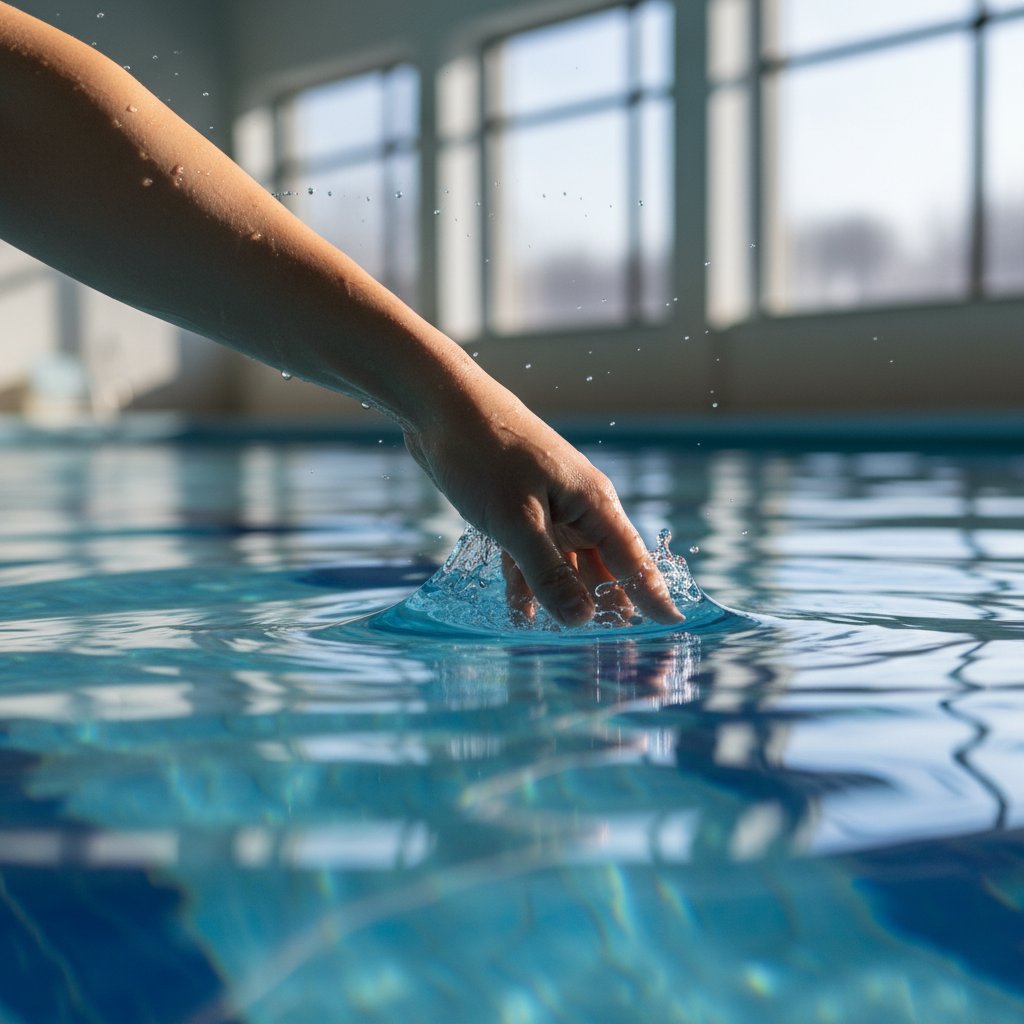
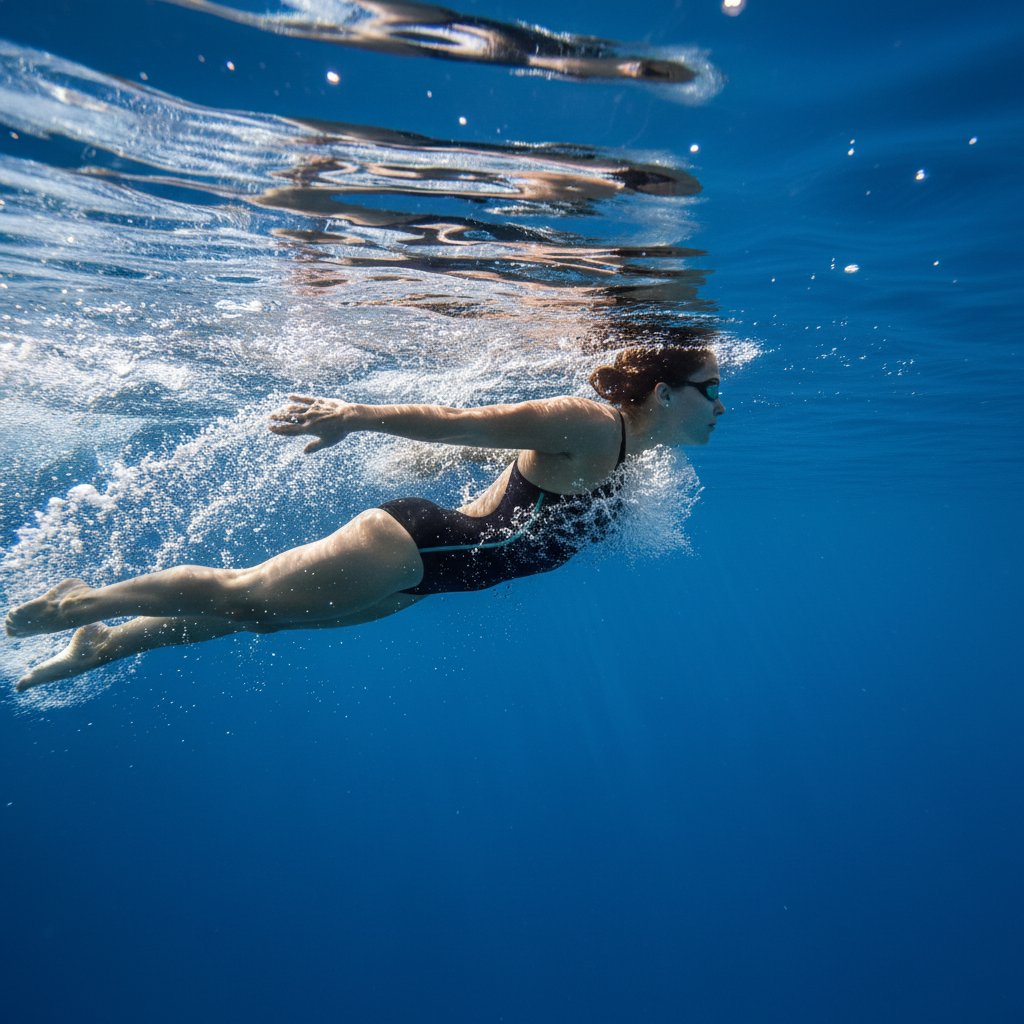
Streamline position underwater
8 January 2025 6 min read

The Streamline Position: Foundation of Speed

Every push-off and underwater phase begins with proper streamline. Position your arms straight overhead with biceps covering ears, hands stacked, core engaged, and toes pointed. This reduces drag by up to 40% compared to swimming at the surface. Practice holding streamline for 10-15 metres after each wall, focusing on maintaining tight body alignment throughout.

Read full article
Flip turn technique demonstration
3 January 2025 7 min read

Building Efficient Flip Turns

A well-executed flip turn saves seconds per lap and maintains momentum. Approach the wall at full speed, tuck your chin, somersault with a tight core, plant feet on the wall, and push off in streamline. Common mistakes include slowing down before the wall, turning too far away, or surfacing too early. Dedicate 10 minutes of each session to turn practice for measurable improvement.

Read full article
Interval training in swimming pool
28 December 2024 8 min read

Structuring Effective Interval Training

Interval training builds both speed and endurance through controlled work-rest cycles. A typical session might include 8x100m at 80% effort with 20 seconds rest, or 4x200m at threshold pace with 30 seconds recovery. The key lies in maintaining consistent times across all repeats. Track your intervals weekly to monitor progress and adjust intensity based on your current fitness level and competition goals.

Read full article

Success Stories

Each swimmer has their own path to improvement. Here are examples of training programmes I've developed for individuals at different skill levels, from beginners learning proper technique to competitive athletes refining their performance.

Adult beginner programme
Beginners

Adult Beginner Programme

A structured 12-week course designed for adults with no prior experience. The programme focused on water confidence, basic floating techniques, and freestyle fundamentals. Progress was measured through weekly assessments, with adjustments made based on individual comfort levels.

View Details →
Junior competitive training
Competitive

Junior Competitive Training

An intensive programme for swimmers aged 10-14 preparing for regional competitions. Training included stroke refinement, starts and turns practice, race strategy development, and endurance building. Sessions were held four times weekly with video analysis for technique improvement.

View Details →
Butterfly stroke mastery
Technique

Butterfly Stroke Mastery

Specialised coaching for intermediate swimmers wanting to master butterfly technique. The eight-week programme broke down the stroke into manageable components: body undulation, arm recovery, breathing rhythm, and kick timing. Drills were progressively combined to develop fluid movement.

View Details →
Fitness swimming for professionals
Adults

Fitness Swimming for Professionals

A flexible training plan for working adults seeking cardiovascular fitness through swimming. Sessions were scheduled during early mornings and evenings, focusing on continuous swimming, interval training, and efficient technique to maximise workout effectiveness within limited time.

View Details →
Breaststroke efficiency programme
Technique

Breaststroke Efficiency Programme

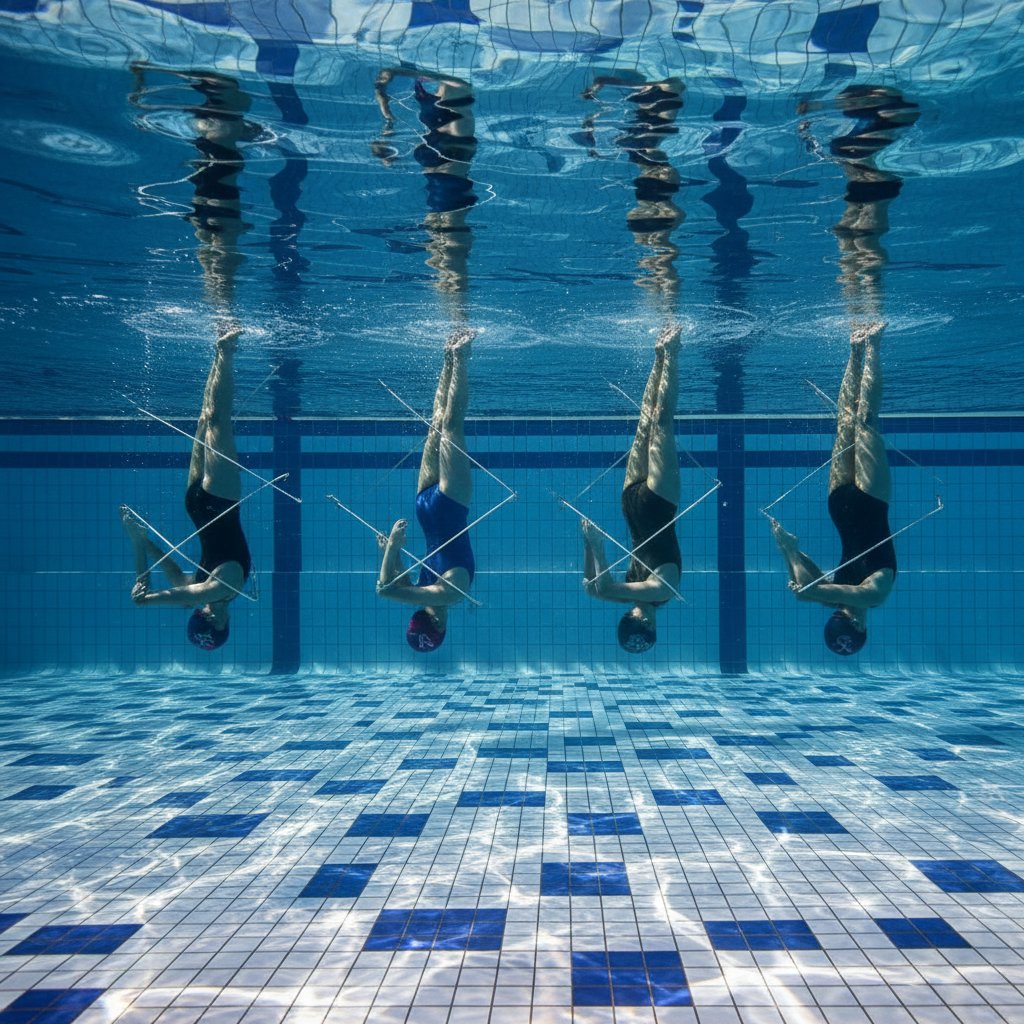
Technical coaching for swimmers struggling with breaststroke timing and propulsion. The programme addressed common issues including knee-width kick, arm pull coordination, and breathing mechanics. Underwater filming helped identify specific areas requiring adjustment in each swimmer's stroke cycle.

View Details →
Sprint performance development
Competitive

Sprint Performance Development

High-intensity training for competitive swimmers focusing on 50m and 100m events. The programme combined power development, explosive starts, streamlined turns, and race pacing strategies. Training included dryland exercises, resistance work in water, and simulated race conditions.

View Details →

Why Choose Our Swimming Coaching

Our approach combines technical expertise with personalised attention to help swimmers of all levels improve their skills, build confidence, and achieve their goals in the water.

Tailored Training Plans

Each swimmer receives a customised programme based on their current ability, specific goals, and available training time. We assess technique, fitness level, and personal objectives to create a structured plan that progresses at the right pace for you.

Competitive Experience

With over 12 years of coaching swimmers at club, regional, and national levels, we understand what it takes to succeed in competitive swimming. Our methods are proven through the achievements of swimmers who have medalled at county championships and improved their personal bests significantly.

Video Analysis Sessions

We use underwater and above-water video recording to analyse your stroke mechanics in detail. This allows you to see exactly what needs improvement and track your progress over time, making technical corrections more effective and easier to understand.

Flexible Scheduling

Sessions are available throughout the week at various London pools, including early morning, lunchtime, and evening slots. We work around your commitments to ensure consistent training without disrupting your work or family schedule.

All Four Strokes Covered

Whether you want to master freestyle, improve your breaststroke, develop butterfly technique, or refine backstroke, we provide comprehensive instruction across all competitive strokes. Many swimmers also work on individual medley skills and race transitions.

Fitness and Conditioning

Swimming coaching includes guidance on dryland exercises, flexibility work, and strength training specific to swimming performance. We help you build the physical foundation needed for efficient swimming and injury prevention through targeted conditioning advice.

Small Group Options

For those who prefer training with others, we offer small group sessions with a maximum of four swimmers of similar ability. This provides a supportive environment while maintaining the individual attention needed for technique development at a more accessible rate.

Progress Tracking

Regular assessments measure improvements in technique, speed, and endurance. You receive detailed feedback after each session and monthly progress reports that document your development, helping you stay motivated and focused on your swimming objectives.

Safety Certified

All coaching is delivered by a Swim England Level 2 qualified coach with current DBS clearance, first aid certification, and safeguarding training. We maintain full insurance coverage and follow established safety protocols at all pool venues.

Ongoing Support

Between sessions, you have access to email support for questions about technique, training advice, or race preparation. We also provide written training sets you can follow independently, helping you maintain progress even when not in coached sessions.

Swimming Training Services

Our coaching programmes are built around specific goals and swimmer abilities. Whether learning fundamentals or refining competitive techniques, each session provides structured guidance with measurable progress. Training takes place in properly maintained facilities across London, with scheduling options to fit various routines.

Beginner Adult Sessions

Starting from scratch requires patience and proper technique foundation. These sessions focus on water confidence, basic floating, breathing coordination, and first stroke movements. We work at your pace in a supportive environment, building skills gradually. By the end of ten sessions, most adults can swim basic front crawl and feel comfortable in water.

Intermediate Technique

Swimmers who already manage basic strokes benefit from detailed technique refinement. We analyse body position, arm entry, leg kick efficiency, and breathing patterns. Video analysis helps identify specific areas for improvement. Sessions include drills targeting your weaknesses and building endurance. Expect noticeable improvements in speed and stamina within eight weeks of consistent training.

Advanced Competitive

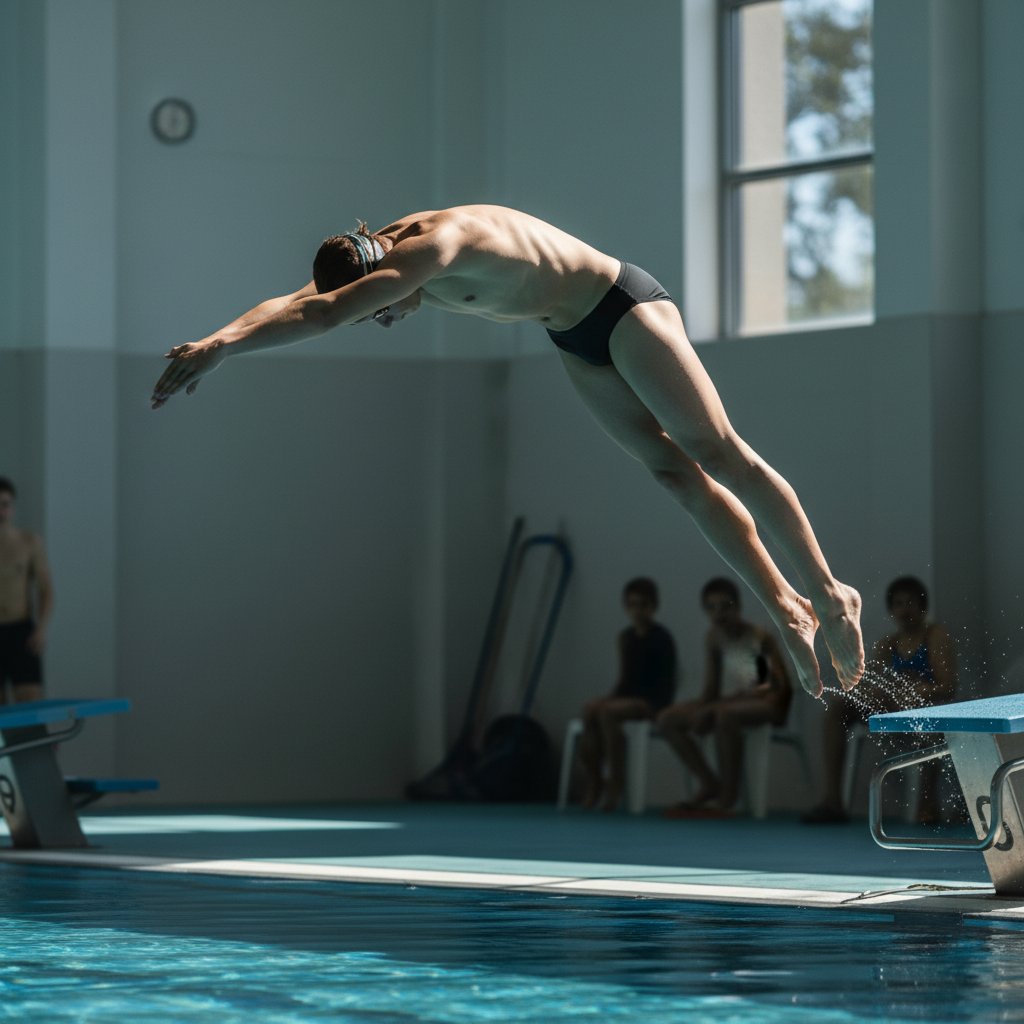
Competitive swimmers require precise coaching on race strategy, starts, turns, and finish touches. Training includes interval sets, pace work, and competition simulation. We develop race-specific conditioning and mental preparation techniques. Sessions are tailored to your competition schedule and target events. This level demands commitment but delivers measurable performance gains for club and regional competitions.

Fitness Swimming

Swimming for fitness requires structured workouts that maintain cardiovascular benefits while preventing injury. Sessions include varied pace training, distance building, and technique checks to ensure efficiency. We create programmes matching your fitness goals, whether weight management or endurance building. Regular assessments track progress. Most clients notice improved stamina and body composition after twelve weeks of twice-weekly sessions.

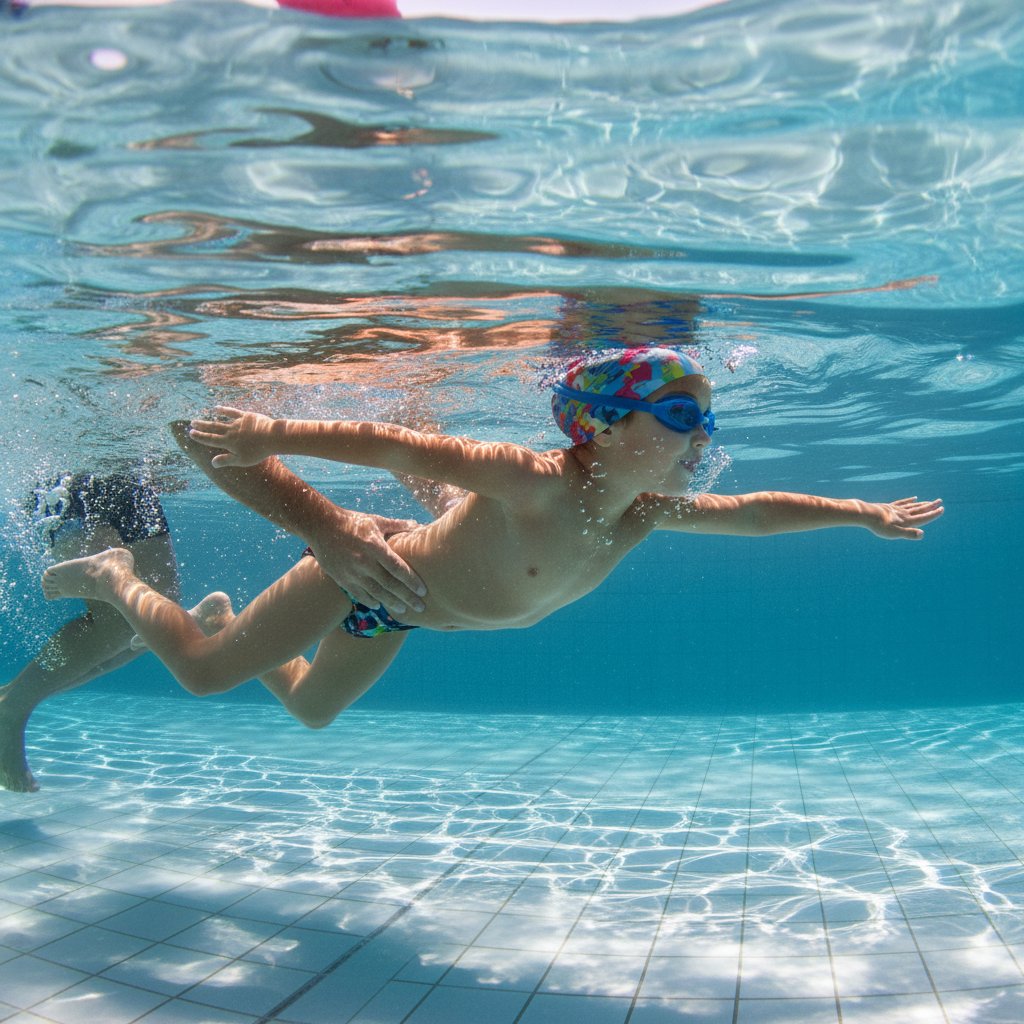
Children Individual

Young swimmers develop skills best through engaging, focused instruction. Sessions cover water safety, stroke development, and confidence building through age-appropriate activities. We maintain attention through varied exercises while ensuring proper technique formation. Progress is documented and shared with parents regularly. Children typically advance through skill levels every ten to twelve sessions, depending on age and attendance consistency.

Intensive Course

Week-long intensive programmes suit those needing rapid skill development or holiday preparation. Daily sessions provide concentrated practice with immediate feedback and correction. This format works well for beginners wanting water confidence before holidays or intermediates preparing for specific events. Five consecutive days of training typically equals three weeks of weekly sessions. Requires full commitment but delivers accelerated results.

Small Group Training

Groups of four swimmers with similar abilities train together, sharing lane space and coaching attention. This format reduces costs while maintaining quality instruction. Swimmers benefit from observing others and friendly competition. Sessions include individual feedback alongside group drills. Works particularly well for intermediate swimmers wanting regular structured training. Groups form based on ability assessment and schedule availability.

Early Morning Squad

Pre-work training sessions suit committed swimmers wanting consistent routine. Starting at 6:30am, squads complete structured workouts before the working day. Groups are organised by pace, with sets designed for various fitness levels. Regular attendance builds strong community among squad members. This option provides accountability and motivation through shared goals. Eight swimmers maximum per lane ensures adequate space and coaching attention.

Evening Development

After-work sessions cater to adults and older teenagers developing swimming skills. Groups are mixed ability with differentiated instruction. Sessions balance technique work with fitness training, providing comprehensive development. The relaxed atmosphere encourages questions and peer learning. Regular attendees typically form supportive training partnerships. Maximum ten swimmers per session ensures everyone receives individual attention during technique drills.

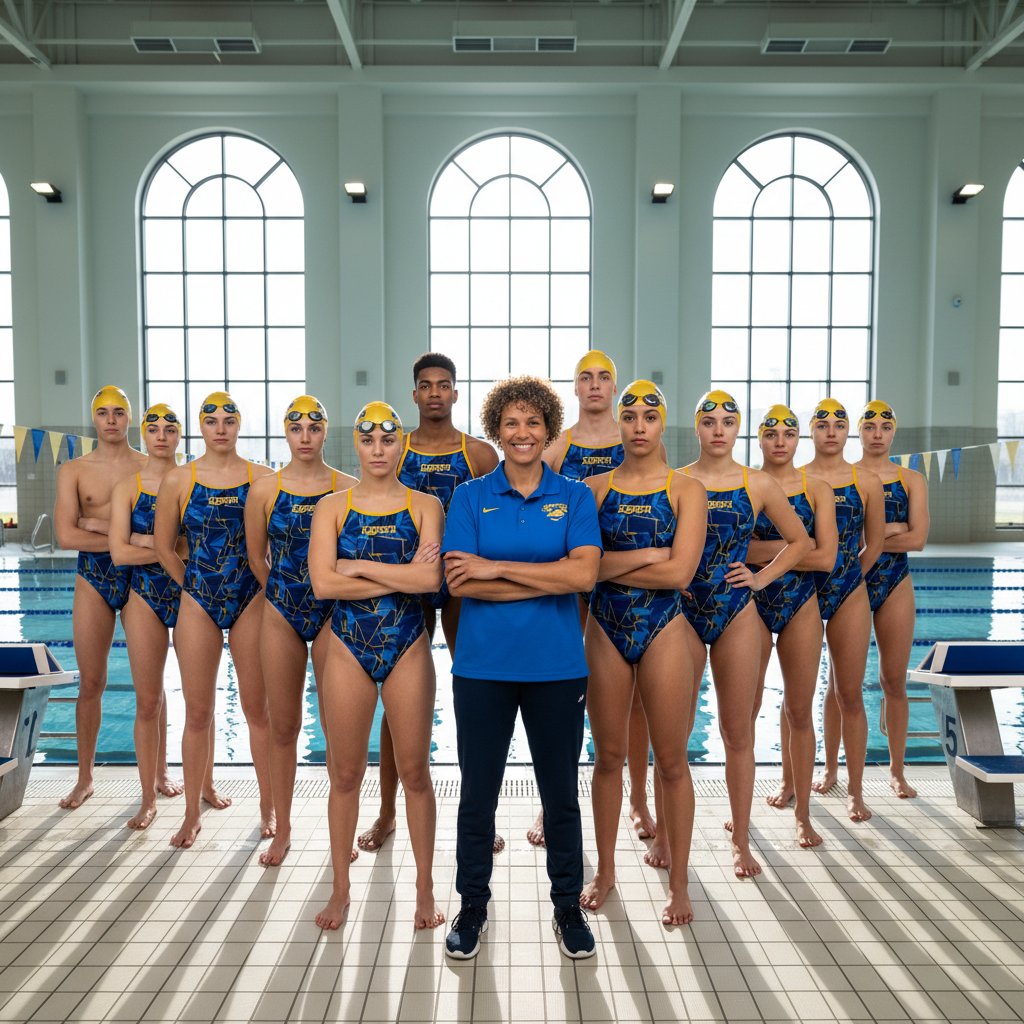
Youth Squad

Swimmers aged eight to sixteen train in age-appropriate groups focusing on stroke development and competition preparation. Sessions include technique drills, endurance sets, and starts/turns practice. Young athletes learn training discipline and goal setting. Squad members often compete together at local meets, building team spirit. Parental involvement is encouraged through regular progress updates. Three sessions weekly recommended for optimal development.

Weekend Warriors

Saturday morning sessions suit those unable to commit to weekday training. Groups mix social swimming with structured coaching, providing fitness benefits and technique improvement. The relaxed pace welcomes all abilities while maintaining purposeful training. Sessions often include longer distance swims and stroke variety work. This option builds community among weekend swimmers and provides accountability for maintaining fitness through less intensive but regular practice.

Masters Training

Adult competitive swimmers benefit from structured training with others pursuing similar goals. Sessions include pace work, technique refinement, and competition-specific training. Masters groups often train for open water events, triathlons, or pool competitions. Coaching adapts to the varying schedules and commitments of working adults. The supportive environment encourages consistent attendance. Many members compete at regional and national masters championships.

Triathlon Preparation

Triathletes require specific swimming skills including open water techniques, sighting, drafting, and efficient pacing. Training focuses on endurance swimming with minimal energy expenditure. We practice wetsuit swimming, mass start scenarios, and transition preparation. Sessions include breathing pattern work for choppy conditions. Video analysis identifies stroke inefficiencies affecting race performance. Most triathletes reduce swim split times significantly within twelve weeks.

Open Water Skills

Lake and sea swimming requires different skills than pool training. Sessions cover navigation, dealing with currents, cold water acclimatisation, and safety procedures. We practice in both pool and outdoor venues when weather permits. Training includes bilateral breathing, sighting techniques, and maintaining direction without lane ropes. Essential for anyone planning channel swims, long-distance events, or simply enjoying outdoor swimming safely.

Injury Rehabilitation

Swimming provides low-impact exercise for injury recovery when properly supervised. Working with physiotherapy recommendations, we design programmes supporting rehabilitation goals. Sessions focus on specific movements aiding recovery while avoiding aggravation. Water resistance builds strength gently. This service requires medical clearance and coordination with healthcare providers. Progress is carefully monitored with adjustments made based on recovery status.

Video Analysis Session

Detailed stroke analysis using underwater and surface cameras identifies specific technique issues. We record multiple angles during swimming, then review footage together, discussing improvements. Slow-motion playback reveals timing problems, body position errors, and efficiency losses. You receive annotated video files for reference. This session provides clear understanding of what needs changing. Particularly valuable for intermediate and advanced swimmers seeking performance gains.

Fear Overcome Programme

Water anxiety affects many adults and some children, limiting enjoyment and safety. This gentle programme addresses specific fears through gradual exposure and confidence building. Sessions are entirely private and progress at your pace. We use proven psychological techniques alongside practical water skills. Most participants achieve comfortable shallow water confidence within six sessions. Deep water and swimming skills follow once foundational confidence establishes.

Service Terms

  • All sessions require 24-hour cancellation notice for full refund or rescheduling
  • Block bookings of six or more sessions receive 10% discount on listed prices
  • Pool entry fees are included in all service prices
  • Equipment such as kickboards, pull buoys, and fins provided during sessions
  • Initial assessment session required for new clients to determine appropriate level
  • Group sessions require minimum three participants to proceed
  • Private changing facilities and secure storage available at all venues
  • Progress reports provided every six sessions for individual clients

Disclaimer

The information provided on this website is presented "as is" and is accurate to our knowledge at the time of publication. Navavo reserves the right to modify, update, or remove any content without prior notice. While we strive to maintain current and precise information regarding swimming instruction services, we cannot guarantee the completeness or accuracy of all materials. This content is intended for general informational purposes and should not replace professional consultation. We recommend verifying specific details directly with qualified professionals before making decisions. Navavo limits its liability concerning the accuracy, timeliness, or applicability of the information presented herein. Users access and use this website at their own discretion.